Recall Issued for Certain Raw Oysters and Manila Clams
Published on March 09, 2026
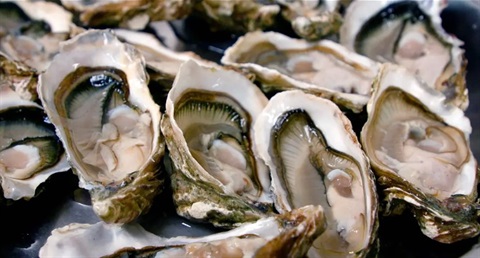
FDA Advises Restaurants and Retailers Not to Serve or Sell and Consumers Not to Eat Certain Oysters and Manila Clams from Drayton Harbor, WA Potentially Contaminated with Norovirus
For Immediate Release
YAVAPAI COUNTY, Arizona. – The FDA is advising restaurants and food retailers not to serve or sell and to dispose of, and consumers not to eat raw oysters harvested by Drayton Harbor Oyster Company (WA-1723-SS) and Manila clams harvested by Lumi Indian Business Council (WA-0098-SS) harvested on February 13 through March 3, 2026, from harvest area Drayton Harbor, WA and shipped to distributors in AZ, CA, FL, GA, IL, NV, NY, OR, and WA because they may be contaminated with norovirus.
Shellstock, or raw, live molluscan shellfish such as oysters and clams contaminated with norovirus can cause illness if eaten, and potentially severe illness in people with compromised immune systems. Food containing norovirus may look, smell, and taste normal. Consumers of these products who are experiencing symptoms of illness should contact their healthcare provider and report their symptoms to their local Health Department. Diarrhea, abdominal cramps, nausea, vomiting, and fever may be associated with gastroenteritis infections caused by this organism.
Symptoms of Norovirus
People of all ages can get infected and sick with norovirus. The most common symptoms of norovirus are diarrhea, vomiting, nausea, and stomach pain. Other symptoms include fever, headache, and body ache. A person usually develops symptoms 12 to 48 hours after being exposed to norovirus. Most people with norovirus illness get better within 1 to 3 days. If you think you or someone you are caring for is severely dehydrated, call your healthcare provider.
Recommendations for Restaurants and Retailers
Restaurants and retailers should not serve or sell the potentially contaminated oysters or Manila clams. Restaurants and retailers should dispose of any products by throwing them in the garbage or contacting their distributor to arrange for destruction. They should also be aware that shellfish may be a source of pathogens and should control the potential for cross-contamination of food processing equipment and the food processing environment.
Their employees should follow the steps below:
- Wash hands with warm water and soap following the cleaning and sanitation process.
- Retailers, restaurants, and other food service operators who have processed and packaged any potentially contaminated products need to be concerned about cross-contamination of cutting surfaces and utensils through contact with the potentially contaminated products.
- Retailers that have sold bulk product should clean and sanitize the containers used to hold the product.
- Regular frequent cleaning and sanitizing of food contact surfaces and utensils used in food preparation may help to minimize the likelihood of cross-contamination.
Recommendations for Consumers
Consumers should not eat these potentially contaminated oysters or Manila clams.
Consumers who have symptoms of norovirus infection should contact their health care provider to report their symptoms and receive care.
To report a complaint or adverse event, visit Get Assistance from the FDA Human Food Program.
# # #